

Drug & Alcohol
Testing
DOT
NON-DOT
Clinical Testing
Background Checks

|
Drugs of Abuse
|
|
|
|
Links
|

 Mainline
Drug Testing, is a
premier Third Party Administrator of substance abuse testing.
We provide highly professional, personal and cost-effective services to various
industries. Our experience of substance abuse programs, providing testing
procedures that meet both Department of Transportation (DOT) and Non-Federal
testing programs for the typical drugs of abuse
as well as the increasingly abused prescription drugs, Mainline continues
with the experience, dedication and continuous growth of drug testing services.
Mainline
Drug Testing, is a
premier Third Party Administrator of substance abuse testing.
We provide highly professional, personal and cost-effective services to various
industries. Our experience of substance abuse programs, providing testing
procedures that meet both Department of Transportation (DOT) and Non-Federal
testing programs for the typical drugs of abuse
as well as the increasingly abused prescription drugs, Mainline continues
with the experience, dedication and continuous growth of drug testing services.
We provide Drug Testing Service to Companies anywhere U.S.A. wanting to keep
drugs & alcohol out of their work place.
Our Programs are supported by the fastest and most reliable nationally known substance abuse approved laboratories; (SAMHSA) Substance Abuse & Mental Health Services Administration. These SAMHSA certified laboratories; Labcorp, Quest, Alere and Medtox offer the most accurate specimen screening, using state of the art technology. Confirmation of non-negative screens are by GCMS; Gas Chromatography Mass Spectrometry, The most reliable and accepted confirmation method. Results are reviewed by our Medical Review Officer (MRO).
Whether
your company requires pre-employment, a random program, post-accident, reasonable
suspicion, return to duty or follow-up testing,, Mainline offers convenience
for all your drug testing needs. You can trust that our professional staff
will deliver quality service with the highest degree of confidence to meet
your industry requirements.
Mainline provides the following types of substance abuse testing:
Urinalysis: Drug Testing Panel based on client requirement
Saliva Alcohol: NonDOT and DOT Approved Alco-Screen O2
Blood Alcohol
Hair Follicle
RADAR (POCT (point of collection tests) Same day results for negatives
Oral Fluid (Quantisal) Employer on-site collection.
Clinical Testing - (blood drawn)
QuantiFERON®-TB Gold
VRR (Rubella_Rubeola_VZ)
Measles, Mumps, Rubella (MMR) Immunity Profile
Varicella Zoster Virus (VZV) Antibodies, IgG
Many more available....
Pittsburgh PA drug testing      Pittsburgh drug testing Pittsburgh PA drug testing Pittsburgh PA drug testing      Pittsburgh drug testing Pittsburgh PA drug screening Pittsburgh PA drug screening
     Pennsylvania Drug Testing Pennsylvania Drug Testing Pennsylvania Drug Testing      Pennsylvania Drug Testing Pennsylvania Drug Testing Pennsylvania Drug Testing      Pennsylvania Drug Testing
     Harrisburgh State College PhiladelphiaErieAllentown Harrisburgh State College      Philadelphia Erie Allentown Harrisburgh State College PhiladelphiaErieAllentown
     Harrisburgh State College PhiladelphiaErieAllentown Harrisburgh State College      Philadelphia Erie Allentown Harrisburgh State College PhiladelphiaErieAllentown
     Harrisburgh State College PhiladelphiaErieAllentown Harrisburgh State College      Philadelphia Erie Allentown Harrisburgh State College PhiladelphiaErieAllentown
     Harrisburgh State College PhiladelphiaErieAllentown Harrisburgh State College      Philadelphia Erie Allentown Harrisburgh State College PhiladelphiaErieAllentown
     Alabama Arizona Arkansas
     California Colorado Connecticut Delaware
     Florida Georgia Hawaii Idaho
     Illinois Indiana Iowa Kansas
     Kentucky Louisiana Maine Maryland
     Massachusetts Michigan Minnesota Mississippi
     Missouri Montana Nebraska Nevada
     New Hampshire New Jersey New Mexico New York
     North Carolina North Dakota Ohio Oklahoma
     Oregon Pennsylvania Rhode Island South Carolina
     South Dakota Tennessee Texas Utah
     Vermont Virginia Washington West Virginia
     Wisconsin Wyoming
   adulterants marijuana instant drug screening
   JWH-018
   JWH-073
   JWH-200
   JWH-122
   JWH-250
   JWH-398
   RCS-4
   AM2201
   synthetic THC
   THC
   Spice
We understand
that many of our current and future clients have questions about the drug
testing industry and the products and services we offer. We have gathered
many of those important questions and answers to educate you and help you
make better decisions. This section was created as a convenience to our site
visitors and should not be taken in anyway as legal advice.
We are a third party administrator who provides DOT and Non-DOT urine
drug testing.
Urine is the most commonly used specimen for illicit
drugs, reflecting SAMHSA’s guidelines.
We use only SAMHSA
Nationally accredited labs.
All results, negative or non-negative are reviewed and analyzed by a Medical
Review Officer (MRO) -
then emailed to you with the strictest confidentiality.
Blood Alcohol testing - available
for non-regulated drug testing
What is Non-DOT and DOT Drug Test?
Where should donors go for their test?
What is a Medical Review Officer (MRO)?
.
Why
do employers drug test?
Alcohol and drug abuse creates significant safety and health hazards and can
result in decreased productivity and poor employee morale. It also can lead
to additional costs in the form of health care claims, especially short-term
disability claims.
Common reasons employers implement drug testing are to:
* Deter employees from abusing alcohol and drugs
* Prevent hiring individuals who use illegal drugs
* Be able to identify early and appropriately refer employees who have drug
and/or alcohol problems
* Provide a safe workplace for employees
* Protect the general public and instill consumer confidence that employees
are working safely
Employers
that do pre-employment drug testing only, are opening themselves to continuing
problems. Employees, with the help of the internet, know how to get around
drug tests. Some will just stop using for a period of time until they are
hired, then go right back, using and putting your company in jeopardy. Having
a well established random drug testing program means that you care enough
about your employees safety and workplace security to protect them, and yourself,
from the costs of on-the-job alcohol and drug abuse. Random testing programs
have proven effective in reducing workplace incidents and lowering worker’s
compensation claims, saving employers money.
top
When
are drug test conducted?
There are a variety of circumstances under which an organization may require
a drug test.
Following are the most common or widespread:
*Pre-Employment: Pre-employment testing is conducted to prevent hiring individuals who illegally use drugs. It typically takes place after a conditional offer of employment has been made. Applicants agree to be tested as a condition of employment and are not hired if they fail to produce a negative test. However, it is possible for employees to prepare for a pre-employment test by stopping their drug use several days before they anticipate being tested. Therefore, some employers test probationary employees on an unannounced basis. Some states however, restrict this process. Furthermore, the Americans with Disabilities Act (ADA) of 1990 prohibits the use of pre-employment testing for alcohol use.
* Random: Random testing is performed on an unannounced, unpredictable
basis on employees whose identifying information (e.g., social security number
or employee number) has been placed in a testing pool from which a scientifically
arbitrary selection is made. This selection is usually computer generated
to ensure that it is indeed random and that each person of the workforce population
has an equal chance of being selected for testing, regardless of whether that
person was recently tested or not. Because this type of testing has no advance
notice, it serves as a deterrent.
*Reasonable Suspicion: Reasonable suspicion testing is similar to,
and sometimes referred to, as “probable-cause” or “for-cause”
testing and is conducted when supervisors document observable signs and symptoms
that lead them to suspect drug use or a drug-free workplace policy violation.
It is extremely important to have clear, consistent definitions of what behavior
justifies drug and alcohol testing and any suspicion should be corroborated
by another supervisor or manager. Since this type of testing is at the discretion
of management, it requires careful, comprehensive supervisor training. In
addition, it is advised that employees who are suspected of drug use or a
policy violation not return to work while awaiting the results of reasonable
suspicion testing.
*Post-Accident: Since property damage or personal injury may result
from accidents, testing following an accident can help determine whether drugs
and/or alcohol were a factor. It is important to establish objective criteria
that will trigger a post-accident test and how and by whom they will be determined
and documented. Examples of criteria used by employers include: fatalities;
injuries that require anyone to be removed from the scene for medical care;
damage to vehicles or property above a specified monetary amount; and citations
issued by the police. Although the results of a post-accident test determine
drug use, a positive test result in and of itself can not prove that drug
use caused an accident. When post-accident testing is conducted, it is a good
idea for employers not to allow employees involved in any accident to return
to work prior to or following the testing. Employers also need to have guidelines
to specify how soon following an accident testing must occur so results are
relevant. Substances remain in a person’s system for various amounts
of time, and it is usually recommended that post-accident testing be done
within 12 hours. Some employers expand the test trigger to incidents even
if an accident or injury was averted and hence use term “post-incident.”
* Return to Duty: Return-to-duty testing involves a one-time, announced
test when an employee who has tested positive has completed the required treatment
for substance abuse and is ready to return to the workplace. Some employers
also use this type of testing for any employee who has been absent for an
extended period of time.
top
What is a DOT and NON-DOT Drug Test?
Workers that fall under Department of Transportation regulations must be given
a specific type of drug test. It is a five panel test often referred to simply
as a "DOT drug screen," and the chain of custody (COC) used must
be a federal form.
DOT drug tests are conducted using only urine specimens. The urine is collected
in a single
container and then split into two other containers used for the testing process.
These are called
Bottle A (primary specimen) and Bottle B (split-specimen). The urine specimen
contained in
Bottle A is analyzed for the following drugs/metabolites:
What other tests are performed on my specimen?
Specimen Validity Testing (SVT) is performed
on primary (Bottle A) specimen by the DOT
contracted HHS-certified laboratory to verify that a specimen has the properties
consistent with a
non-altered human urine specimen. SVT includes:
•Determination of creatinine concentration.
Creatinine is a substance found in human urine, if
it is not present in the specimen the test is declared a substituted specimen
(i.e., is not human
urine).
• Determination
of specific gravity if creatinine concentration is less than 20mg/dL
• Determination of pH
• Performance of one or more validity tests for oxidizing adulterants
• Performance of additional validity tests when certain conditions are
observed (e.g., unusual
color or odor, unusual test response for adulterants)
DOT Drug Test includes:
• Marijuana metabolites / THC
• Cocaine metabolites
• Amphetamines (including methamphetamine)
• Opiates metabolites (codeine, morphine)
• Oxycodone/Oxymorphine
• Hydrocodone/Hydromorphone
• 6-am (6-Acetylmorphine)
• Phencyclidine (PCP)
• MDMA (Ecstasy)
Saliva
Alcohol Testing (for companies under the DOT Agency requirements for random
testing rates)
Saliva Alcohol Testing is allowed as the 'initial' screen test - if the 'initial' test is positive, the DER will be contacted to have the person picked up and
transportated to a site that provides BAT - Breathe Alcohol Testing as the 2nd Confirmation test
Workers
employed in positions that do not require drug screening under DOT regulations
are given Non-DOT tests if their companies have drug testing policies in place.
Companies have flexibility in establishing Non-DOT policies and procedures
for drug testing, including what substances to check for and how often testing
is required.
A Non-DOT
drug screen can be the five panel drug test but...
Mainline has many profiles to choose from
Profiles can be an 11 panel drug
screen (as detailed below), or one with Expanded Opiates, which is highly suggested as it includes testing for
Synthetic Opioids
Mainline's Standard Eleven Panel Drug Screen:
Marijuana (THC)
Cocaine
Amphetamines/methamphetamines
MDMA(ecstasy)
Opiates
Phencyclidine (PCP)
Barbiturates (Seconal, Nembutal, Amytal and Tuinal)
Benzodiazepines (Valium, Xanax, Halcion, Librium)
Methadone (Dolophine, Methadone Diskets, Methadose)
Propoxyphene (Darvon, Dolene, Doxaphene, Profene 65)
Methaqualone
top
What the employer will need?
All drug tests require a chain
of custody form, which we will provide for you, for a qualified SAMSHA
approved drug-testing laboratory.
You will need to select the reason for test
on the form.
A chain-of-custody form is used to document the handling and storage of a
sample from the time it is collected until the time it is disposed.
It links
an individual to his or her sample and is written proof of all that happens
to the specimen while at the collection site and the laboratory.
For Non-Dot employers, Mainline is able to setup a Labcorp WebCOC subaccount
for your company.
This one document, kept on your computer, is used in place
of the chain of custody form you now know.
Labcorp's patient service centers
will create the chain of custody, electronically. The rest of the process
is as usual.
top
What
will the donor need?
The donor will need to have the chain of custody form in hand when they go
to the collection site as well as a photo ID to present to the collector.
top
Where
should donors go for their test?
Your employees will go to the closest SAMSHA approved Patient Service Centers (collection sites),
which we will provide for you.
The collection sites are Labcorp PSC, Quest PSC or 3rd Party Sites.
top
What
is a Medical Review Officer (MRO)?
A Medical Review Officer (MRO) is a person who is a licensed physician and
who is responsible for receiving and reviewing laboratory results generated
by an employer's drug testing program and evaluating medical explanations
for certain drug test results.
top
How
does a drug test determine if a person has been using substances? What are
cut-off levels and what do they determine?
Aside from a breath alcohol test, drug testing does not determine impairment
or current drug use. Rather, drug testing determines a specified amount or
presence of a drug or its metabolite in urine, blood or an alternative specimen.
There is a minimum measurement applied to drug testing so that only traces
of a drug or its metabolite above a specified level is reported as positive.
This measure is known as a “cut-off level,” and it varies for each
drug. Setting cut-off levels involves understanding the expected results of
testing and determining the needs of the employer’s drug-free workplace
program. For instance, if a cut-off level is set low, test results will come
back with more “false positives” as some “passive” users
could test positive. (For example, a low cut-off level could cause a positive
result from consuming poppy seeds.) Conversely, a high cut-off level will
result in more “false negatives,” and thus some users may go undetected.
However, a high cut-off level lessens the likelihood of taking action against
someone based on “passive” exposure, and for this reason SAMHSA’s
guidelines set cut-off levels on the high side.
top
Minors
must be accompanied by their parent or legal guardian?
If you are bringing a minor to a Patient Service Center and you are not the
legal guardian, you will need to bring a notarized statement signed by a parent
or legal guardian authorizing you to give permission for the collection and
billing of the tests ordered by the minor's physician.
top
Urine:
Results of a urine test show the presence or absence of drug metabolites in
a person’s urine. Metabolites are drug residues that remain in the body
for some time after the effects of a drug have worn off. It is important to
note that a positive urine test does not necessarily mean a person was under
the influence of drugs at the time of the test. Rather, it detects and measures
use of a particular drug within the previous few days and has become the defacto
evidence of current use. Because alcohol passes rapidly through the system,
urine tests must be conducted very quickly after alcohol consumption in order
to ensure any degree of accuracy. For this reason, urine tests are generally
not helpful in detecting alcohol use as opposed to illicit and prescription
drug use, which is more easily traced in urine.
top
Alco-Screen O2 :The Alco-Screen 02 is
the simplest, most cost effective method of monitoring for alcohol consumption
in a DOT Zero Tolerance testing program. The zero tolerance level for federally
mandated DOT testing programs is .02% blood alcohol content (BAC). The Alco-Screen
02 uses this zero tolerance level (.02% BAC) as the detection level set point
for the test strip resulting in the simplest method of test administration
and interpretation. Alcohol detection using a saliva sample can be more sensitive
and accurate compared to breath tests because the relationship between the
amount of saliva alcohol content and blood alcohol content is 1:1 while with
equivalent breath alcohol content it is .000048:1.
top
Blood:
A blood test measures the actual amount of alcohol or other drugs in the blood
at the time of the test. Blood samples provide an accurate measure of the
physiologically active drug present in a person at the time the sample is
drawn. Although blood samples are a better indicator of recent consumption
than urine samples, there is a lack of published data correlating blood levels
for drugs and impairment with the same degree of certainty that has been established
for alcohol. In cases of serious injury or death as the result of an accident,
the only way to determine legal intoxication is through a blood specimen.
There is also a very short detection period, as most drugs are quickly cleared
from the blood and deposited into the urine.
top
Chain
of Custody: A chain-of-custody form is used to document the handling and
storage of a sample from the time it is collected until the time it is disposed.
It links an individual to his or her sample and is written proof of all that
happens to the specimen while at the collection site and the laboratory.
top
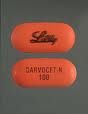
Drug Name: Propoxyphene
Abbreviation: PPX
Slang Term(s):
Darvon
Drug Information:
Propoxyphene is an opioid medicine that has been marketed in approved drugs
such as Darvon and Darvocet since 1957. Propoxyphene is used to relieve mild
to moderate pain.
Propoxyphene is a drug often prescribed to treat pain and is related structurally
to methadone. Propoxyphene is generally taken orally and its effects peak
in 1 - 2 hours. Overdose of propoxyphene effects the brain and can cause severe
euphoria. Extended use of propoxyphene can cause respiratory depression, analgesia,
stupor, and coma
Drug
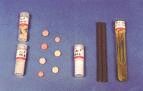
Name: Phencyclidine
Abbreviation: PCP
Slang Term(s):
angel dust, angel hair, angel poke, dust, embalming fluid, fry, flake hog,
whack, rocket fuel, squeeze, mist, horse tranq, animal tranq, elephant tranq,
tranqs, squeeze, surfer, cyclones, soma, illy, oxone, zoot, peace pill, scuffle,
Cadillac, CJ, KJ, TIC, TAC, PCP, amp, hydro, sherm, haze, dank, goon, sherm,
super weed, killer weed, elephant, zombie, embalming fluid, hog, pce, tcp,
rocket fuel, ka-pow, beam me up Scotty.
Drug Information:
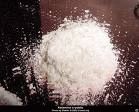
Phencyclidine, also known as PCP or Angel Dust, is a hallucinogen that was
first marketed as a surgical anesthetic in the 1950's. It was removed from
the market because patients receiving it became delirious and experienced
hallucinations.
Phencyclidine is used in powder, capsule, and tablet form. The powder is either
snorted or smoked after mixing it with marijuana or vegetable matter. Phencyclidine
is most commonly administered by inhalation but can be used intravenously,
intra-nasally, and orally. After low doses, the user thinks and acts swiftly
and experiences mood swings from euphoria to depression. Self-injurious behavior
is one of the devastating effects of Phencyclidine
Drug
Name: Opiates
Abbreviation:
OPI
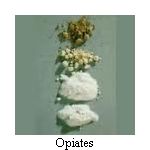
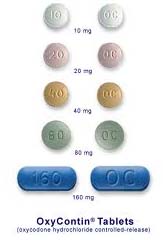
Many opiates, such as Oxycodone, Hydromorphone
and Hydrocodone, have seen a dramatic increase in abuse over the last several
years. Data from the National Survey on Drug Use & Health (NSDUH) showed
that lifetime use of Oxycodone increased 47%, and that of Hydrocodone 27%.1
In addition, the Drug Abuse Warning Network showed that Oxycodone single use
(not in combination with other drugs) increased a staggering 295%.
Since the other opiates share structural similarities with morphine, the opiate
screening reagents detect additional opiates to varying extents. In the case
of Oxycodone, most general opiate screens only detect Oxycodone if it is present
at a high concentration.
New screening technology has a specific reagent that can detect Oxycodone
as lower levels.
Ask about testing for Oxycodone and Expanded Opiates, Expanded Opiates or OPI4 which consists
testing of codeine, morphine, hydrocodone and hydromorphone
Slang Term(s): Aunti, Aunti Emma, Big O, Black hash, Black Russian,
Black pill, Black stuff, black tar, Buddha, china white, Chinese molasses,
Chinese tobacco,
Chocolate, Dopium, Dover's deck, Dover's powder, Dream gun, Dream stick, Dreams,
Easing powder, God's medicine, Gondola, Gong, Goric, Great tobacco,
Gum, Hard stuff, Hocus, Hops, Horse, Indonesian bud, Joy plant, Midnight oil,
Mud, O, O.P., Pox, Smack, Tar, Toxy, Toys, Zero A-Bomb, Big H, Boy, Crank,
Crop, Brown, Dragon Rock, h, Hell Dust, Harry, Horse, Jive, Junk, Mexican
Black Tar, Nose Drop, Shag, Skag, Smack, Shit, Thunder
Drug Information:
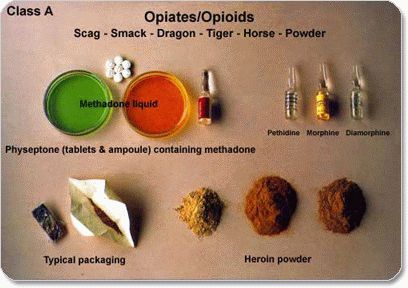
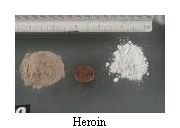
Opiate refers to any drug that is derived from the opium poppy, including
the natural products, morphine and codeine, and the semi-synthetic
drugs such as heroin. Opioid is more general, referring to any drug that acts
on the opioid receptor.
Opioid analgesics comprise a large group of substances which control pain
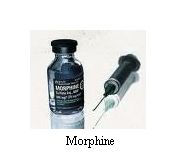
by depressing the central nervous system. Large doses of morphine can produce
higher tolerance levels, physiological dependency in users, and may lead to
substance abuse. Morphine is excreted unmetabolized, and is also the major
metabolic product of codeine and heroin. Morphine is detectable in
the urine for several days after an opiate dose.
Drug
Name: Methadone
Abbreviation:
MTD
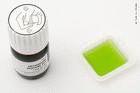
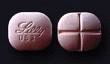
Slang Term(s): meth, mtd, juice, green
Drug
Information:
Methadone is a narcotic analgesic prescribed for the management of moderate
to severe pain and for the treatment of opiate dependence (heroin, Vicodin,
Percocet, Morphine). The pharmacology of Oral Methadone is very different
from IV Methadone. Oral Methadone is partially stored in the liver for later
use. IV Methadone acts more like heroin. In most states you must go to a pain
clinic or a Methadone maintenance clinic to be prescribed Methadone.
Methadone is a long acting pain reliever producing effects that last from
twelve to forty-eight hours. Ideally, Methadone frees the client from the
pressures of obtaining illegal heroin, from the dangers of injection, and
from the emotional roller coaster that most opiates produce. Methadone, if
taken for long periods and at large doses, can lead to a very long withdrawal
period. The withdrawals from Methadone are more prolonged and troublesome
than those provoked by heroin cessation, yet the substitution and phased removal
of methadone is an acceptable method of detoxification for patients and therapists
Drug
Name: Marijuana / Cannabinoids
Abbreviation: THC
Slang Term(s):
pot, weed, grass, smoke, dope, ganja, reefer, Mary Jane, and Aunt Mary
Drug Information:
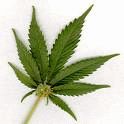
THC (?9--tetrahydrocannabinol) is the primary active ingredient in cannabis
(marijuana). When smoked or orally administered, THC produces euphoric effects.
Users have impaired short-term memory and slowed learning. They may also experience
transient episodes of confusion and anxiety. Long-term, relatively heavy use
may be associated with behavioral disorders. The peak effect of marijuana
administered by smoking occurs in 20-30 minutes and the duration is 90-120
minutes after one cigarette. Elevated levels of urinary metabolites are found
within hours of exposure and remain detectable for 3-30 days after smoking.
Drug
Name: Cocaine / Crack
Abbreviation: COC
Slang Term(s): Coke, Dust, Toot, Snow, Blow, Lines, Nose Candy, Snowball (cocaine
& heroin), Oolies (marijuana laced with crack), Powder, Tornado Rock (Crack),
Wicky Stick (PCP, marijuana, and crack)
Big C, Flake, Freebase, Lady, Rock, Snow, Snowbirds, White Crack
Drug Information:
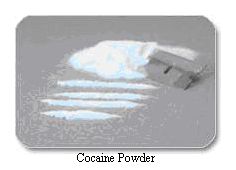
Cocaine is a potent central nervous system (CNS) stimulant and a local anesthetic.
Initially, it brings about extreme energy and restlessness while gradually
resulting in tremors, oversensitivity and spasms. In large amounts, cocaine
causes fever, unresponsiveness, difficulty in breathing and unconsciousnessCocaine
is often self-administered by nasal inhalation, intravenous injection and
freebase smoking. It is excreted in the urine in a short time primarily as
Benzoylecgonine.2,3 Benzoylecgonine, a major metabolite of cocaine, has a
longer biological half-life (5-8 hours) than cocaine (0.5-1.5 hours), and
can generally be detected for 24-48 hours after cocaine exposure.
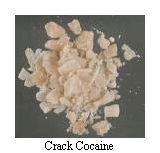
What is Crack?
Cocaine is a powerfully addictive stimulant drug. The powdered
hydrochloride salt form of cocaine can be snorted or dissolved in water and
then injected. Crack is the street name given to the form of cocaine that
has been processed to make a rock crystal, which, when heated, produces vapors
that are smoked. The term “crack” refers to the crackling sound
produced by the rock as it is heated.
Drug
Name: Benzodiazepines
Abbreviation: BZO
Slang Term(s):
alprazolam, benzodiazepam, bromazepam,
chlordiazepoxide, clobazam, clonazepam, clorazepate, diazepam,
estazolam, flunitrazepam, flurazepam, lorazepam, nitrazepam,
oxazepam, quazepam, temazepam, triazolam, Alprazolam Intensol,
Ativan, Dalmane, Diastat, Diazepam Intensol, Dizac, Doral, Halcion,
Klonopin, Librium, Lorazepam Intensol, Paxipam, ProSom, Restoril,
Serax, Tranxene-SD, Tranxene-SD Half Strength, Tranxene T-Tab, Valium, Xanax.
Drug Information:
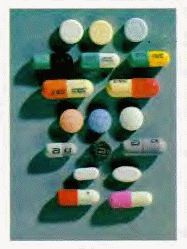
Benzodiazepines are medications that are frequently prescribed for the symptomatic
treatment of anxiety and sleep disorders. They produce their effects via specific
receptors involving a neurochemical called gamma aminobutyric acid (GABA).
Because they are safer and more effective, Benzodiazepines have replaced barbiturates
in the treatment of both anxiety and insomnia. Benzodiazepines are also used
as sedatives before some surgical and medical procedures, and for the treatment
of seizure disorders and alcohol withdrawal.Risk of physical dependence increases
if Benzodiazepines are taken regularly (e.g., daily) for more than a few months,
especially at higher than normal doses. Stopping abruptly can bring on such
symptoms as trouble sleeping, gastrointestinal upset, feeling unwell, loss
of appetite, sweating, trembling, weakness, anxiety and changes in perception.
Only trace amounts (less than 1%) of most Benzodiazepines are excreted unaltered
in the urine; most of the concentration in urine is conjugated drug. The detection
period for the Benzodiazepines in the urine is 3-7 days.
Drug
Name: Barbiturates
Abbreviation: BAR
Slang Term(s):
Barbs, barbies, sleepers, blue bullets, blues, pink ladies, pinks, block busters
Drug
Information:
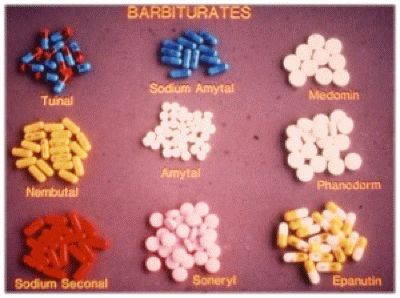
Barbiturates are central nervous system depressants. They are used therapeutically
as sedatives, hypnotics, and anticonvulsants. Barbiturates are almost always
taken orally as capsules or tablets. The effects resemble those of intoxication
with alcohol. Chronic use of barbiturates leads to tolerance and physical
dependence. Short acting Barbiturates taken at 400 mg/day for 2-3 months can
produce a clinically significant degree of physical dependence. Withdrawal
symptoms experienced during periods of drug abstinence can be severe enough
to cause death. Only a small amount (less than 5%) of most Barbiturates are
excreted unaltered in the urine.
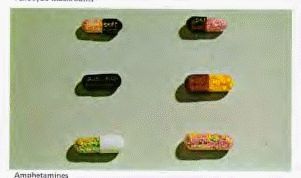
Drug
Name: Amphetamine / Methamphetamine
/ MDMA ( Ecstasy)
Abbreviation: AMP
Amphetamine
Slang Term(s):
uppers, speed, benny, dexy, louee, goey, whizz, pep pills. sulph, billy, phets.
Drug Information:
Amphetamine is a Schedule II controlled substance available by prescription
(Dexedrine®) and is also available on the illicit market. Amphetamines
are a class of potent sympathomimetic agents with therapeutic applications.
They are chemically related to the human body's natural catecholamines: epinephrine
and norepinephrine. Acute higher doses lead to enhanced stimulation of the
central nervous system and induce euphoria, alertness, reduced appetite, and
a sense of increased energy and power. Cardiovascular responses to Amphetamines
include increased blood pressure and cardiac arrhythmias. More acute responses
produce anxiety, paranoia, hallucinations, and psychotic behavior. The effects
of Amphetamines generally last 2-4 hours following use and the drug has a
half-life of 4-24 hours in the body. About 30% of Amphetamines are excreted
in the urine in unchanged form, with the remainder as hydroxylated and deaminated
derivatives.
What is Methamphetamine?
Methamphetamine (Meth) is an addictive stimulant that strongly activates certain
systems in the brain.
What does it look like?
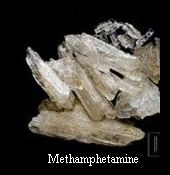
Methamphetamine is a crystal-like powdered substance that sometimes comes
in large rock-like chunks. When the powder flakes off the rock, the shards
look like glass, which is another nickname for meth. Meth is usually white
or slightly yellow, depending on the purity.
How is it used?
Methamphetamine can be taken orally, injected, snorted, or smoked.
What is Ecstasy?
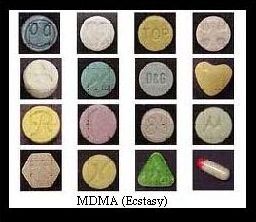
MDMA or Ecstasy (3-4-methylenedioxymethampheta-mine), is a synthetic drug
with amphetamine-like and hallucinogenic properties. It is classified as a
stimulant.
What does it look like?
Ecstasy comes in a tablet form that is often branded, e.g. Playboy bunnies,
Nike swoosh, CK.
How is it used?
Taken in pill form, users sometimes take Ecstasy at “raves,” clubs
and other parties to keep on dancing and for mood enhancement.
When you browse Mainline Drug Testing's website, you do so anonymously. Personal information is not collected.
We may collect personal information via phone or email about you or your employees:
To respond to your inquiries
To fulfull your requests, including to contact you if required
To send you information for drug and / or clinical testing
To create testing forms for your drug and / or clinical testing
To locate testing sites for you to use for your testing purposes
Any and all information collected at this site or collected via phone or email will be kept confidential
and will not be sold, reused, rented, loaned, or otherwise disclosed without your express written consent.
Your test results will be kept confidential and will not be sold, reused, rented, loaned, or otherwise disclosed without your express written consent
Employers who we provide our services to, may also have access to results for their employees who they employ or are looking to employ and Employer's are responsibile to keep results confidential as well
Links to Other Sites
Mainline Drug Testing is not responsible for the privacy policies, activities, or websites of third parties, such as PayPal or content providers.
This policy does not cover the information practices of those third parties.
We use reasonable organizational, technical, and administrative measures to protect Personal Information under our control
Unfortunately, no data storage system or data transmission over the Internet can be guaranteed to be 100% secure.
Please also be aware that we may use third-party cloud service providers that provide hosting, data storage
and other services pursuant to standard terms and conditions that may be non-negotiable;
these service providers have informed us or the general public that they apply security measures
they consider adequate for the protection of information within their system,
or they have a general reputation for applying such measures.
Many variables may affect the amount of time that a drug remains detectable in the urine or other biological samples, including a drug's half-life, the subject's state of hydration and fluid balance, frequency of use, route of administration, cut-off concentration used by the testing lab to detect the drug, and many other variables. Each person and circumstance is different, and the best way to avoid detection of an abusable drug is to not use the drug.
General guidelines are available for detection times. Many drugs stay in the system from 2 to 4 days, although chronic use of marijuana can stay in the system for 3 to 4 weeks or even longer after the last use. Drugs with a long half-life, such as diazepam, may also stay in the system for a prolonged period of time. Drugs can be detected in hair samples up to six months, although urine samples are used for most workplace drug screening tests. Examples of drugs that can be detected in hair-testing include alcohol, marijuana, cocaine, and amphetamines.
Drug |
Class |
Street Name |
Prescription Brand Name Examples |
Detection Time in Urine |
|---|---|---|---|---|
| Amphetamine | Stimulant | speed | Dexedrine, Benzedrine | Up to 2 days |
| Barbiturates | depressants / sedatives / hypnotics | downers, barbs, reds | Amytal, Fiorinal, Nembutal, Donna | short-acting: 2 days long-acting: 1-3 weeks (based on half-life) |
| Benzodiazepines | depressants / sedatives / hypnotics | bennies | Valium, Ativan, Xanax, Serax | therapeutic dose: 3 days chronic use: 4-6 weeks or longer |
| Cocaine (benzoyl ecgonine metabolite) | Stimulant | coke, crack, rock cocaine | N/A | Up to 4 days |
| Codeine | Analgesic / Opiate | N/A | N/A | 2 days |
| Ethyl alcohol, ethanol | depressants / sedatives / hypnotics | alcohol, liquor, beer, wine booze | N/A | urine: 2 to 12 hours serum/plasma: 1 to 12 hours |
| Heroin | Analgesic / Opiate | smack, tar, chasing the tiger | N/A | 2 days |
| Marijuana, Can- nabinoids |
Hallucinogen | pot, dope, weed, hash, hemp | Marinol, Cesamet | Single use: 2 to 7 days Prolonged, chronic use: 1 to 2 months or longer |
| Methadone | Analgesic / Opiate | fizzies | Dolophine | 3 days |
| Methamphetamine | Stimulant | speed, ice, crystal, crank | Desosyn, Methedrine | Up to 2 days |
| Methaqualone | depressants / sedatives / hypnotics | ludes, disco bisquits, 714, lemmons | Quaalude (off U.S. market) | Up to 14 days |
| MDMA (methylenedioxy- methamphetamine) |
Stimulant | ecstacy, XTC, ADAM, lover's speed | N/A | Up to 2 days |
| Morphine | Analgesic / Opiate | N/A | Duramorph, Roxanol | 2 days |
| Phencyclidine | Hallucinogen | PCP, angel dust | N/A | 8-14 days, but up to 30 days in chronic users |
| Propoxyphene | Analgesic / Opiate | N/A | Darvocet, Darvon (all form of propoxyphene withdrawn from US market in November 2010) | 6 hours to 2 days |
*Note: This table should be used as a general guideline only. Many variables may affect the amount of time that a drug remains detectable in the urine or other biological samples, including a drug's half-life, the subject's state of hydration and fluid balance, frequency of use, route of administration, cut-off concentration used by the testing lab to detect the drug, or other variables.

Drug Name: Alcohol
Slang Term(s):
Booze, Hooch , Brew , Swill , Firewater, Moonshine, Juice, Red-Eye
Drug Information:
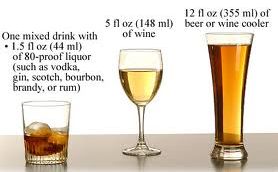
Alcohol is one of the most widely used drug substances in the world. Alcohol
use and binge drinking among our nation’s youth is a major public health
problem:
* Alcohol is used by more young people in
the United States than tobacco or illicit drugs.1
* Excessive alcohol consumption is associated with approximately 75,000 deaths
per year.2
* Alcohol is a factor in approximately 41% of all deaths from motor vehicle
crashes.3
* Among youth, the use of alcohol and other drugs has been linked to unintentional
injuries, physical fights, academic and occupational problems, and illegal
behavior.4
* Long-term alcohol misuse is associated with liver disease, cancer, cardiovascular
disease, and neurological damage as well as psychiatric problems such as depression,
anxiety, and antisocial personality disorder.5
* Drug use contributes directly and indirectly to the HIV epidemic, and alcohol
and drug use contribute markedly to infant morbidity and mortality.5
References:
1.U.S. Department of Health and Human Services. The Surgeon General's Call
to Action to Prevent and Reduce Underage Drinking. U.S. Department of Health
and Human Services, Office of the Surgeon General, 2007.
2.CDC. Alcohol-attributable deaths and years of potential life lost—United
States, 2001. Morbidity & Mortality Weekly Report 2004;53(37):866–870.
3 U.S. Department of Transportation. Fatality Analysis Reporting System (FARS)
Web-based Encyclopedia.
4 Substance Abuse and Mental Health Services Administration. The relationship
between mental health and substance abuse among Adolescents. Rockville, MD:
Substance Abuse and Mental Health Services Administration, 1999.
5 Naimi TS, Brewer RD, Mokdad A, Denny C, Serdula MK, Marks JS. Binge drinking
among US adults. JAMA 2003;289:70-75.
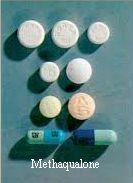
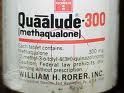
Drug Name: Methaqualone
Slang Term(s):
Q, Quaaludes, Ludes, Sopors, Vitamin Q, Lemmon 714, Lemons, Love Drug
Drug Information:
In general, Qualudes are very similar to alcohol and other depressants. Methaqualone
combines both sedative and hypnotic properties. The drug produces depression
of the central nervous system (a reduction in the heart and breathing rate
and blood pressure) and the onset of its effects usually occurs within 10
to 20 minutes of ingestion and may last 6 to 10 hours when taken orally.
Small doses create a feeling of euphoria,
relaxation, hornyness, and/or sleepiness. Larger doses can bring about depression,
irrational behavior, poor reflexes and slurred speech.
Negative effects can include a high level of tolerance (you need more to produce the same feeling), reduced heart rate, reduced respiration, and reduced muscular coordination.
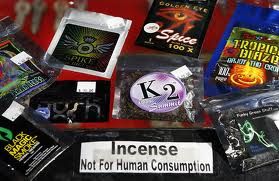
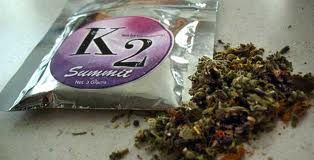
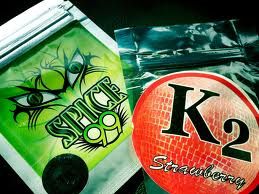
Synthetic Marijuana On The Rise
Looks like pot, but 'far worse'
Drug
Name: Synthetic Marijuana/ THC
Slang Term(s):
“K2,” “Spice,” "Aroma,”
“Mr. Smiley,” “Zohai,” “Eclipse,” “Black
Mamba,” “Red X Dawn,” "Blaze,” and “Dream.”
Drug Information:
The drugs, often sold in gas station and convenience
stories under names like “K-2” and “Spice,” are known
to cause bouts
of paranoia and agitation, as well as psychosis.
The Centers for Disease Control and Prevention say that 1 in 9 high school
seniors has tried the drugs. Calls to poison
centers about the drugs rose from 2,900 in 2010 to 7,000 in 2011 and hit 1,200
in the first two months of 2012.
Makers produce chemicals synthetically and then spray them onto dry herbs
and plants, hoping to mimic the appearance of
marijuana. The chemicals are three to five times more potent than the THC
found in marijuana, “leading to symptoms
including loss of consciousness, paranoia, and occasionally, psychotic episodes,”
says Tod Burke, a professor of criminal
justice at Radford University in Virginia.
As of March 2011, 20 states had imposed bans and additional legislation is
pending in 37 states, Professor Burke says.
Synthetic marijuana makers have tried to stay ahead of law enforcement by
constantly altering their products chemically,
replacing banned substances with new ones that have similar properties. This
has lured workers searching for ways to get
high but also pass drug tests, as well as teens seeking the latest “new
high.”
The medical community is still scratching their heads over the symptoms and
treatment for synthetic marijuana intoxication. But the short-term symptom
patterns that are beginning to emerge are not like those of natural marijuana.
The adverse effects of the synthetic form are more prevalent, and include
aggressiveness, paranoia, anxiety, agitation, high blood pressure, heavy
sweating, heart palpitations, irritability, muscle rigidity, and convulsions.
Synthetic pot uses a botanical blend as its base: “bay
bean, blue lotus, lion’s
tail, lousewort, Indian warrior, dwarf skullcap, maconhabrava, pink lotus,
marshmallow, red clover, rose, Siberian Motherwort, vanilla, and honey.”
These plant ingredients aren’t bad in and of themselves. The problem
comes
in when the botanicals are sprayed with an active compound like JWH-018,
which is what makes the synthetic drug toxic. The name JWH-018 comes
from the scientist John W. Huffman, who synthesized versions of TCH to
study its effects in the lab.
One of the reasons that synthetic pot can produce a greater affect is that
its
ability to bond the brain’s cannabis receptor (CB1) is five times greater
than
what THC is capable of. This means a bigger bang for the buck – and greater
risk of serious, long-lasting neurological problems.
References:
Forbes - Alice G. Walton, Contributor
Daniel B. Wood | Christian Science Monitor